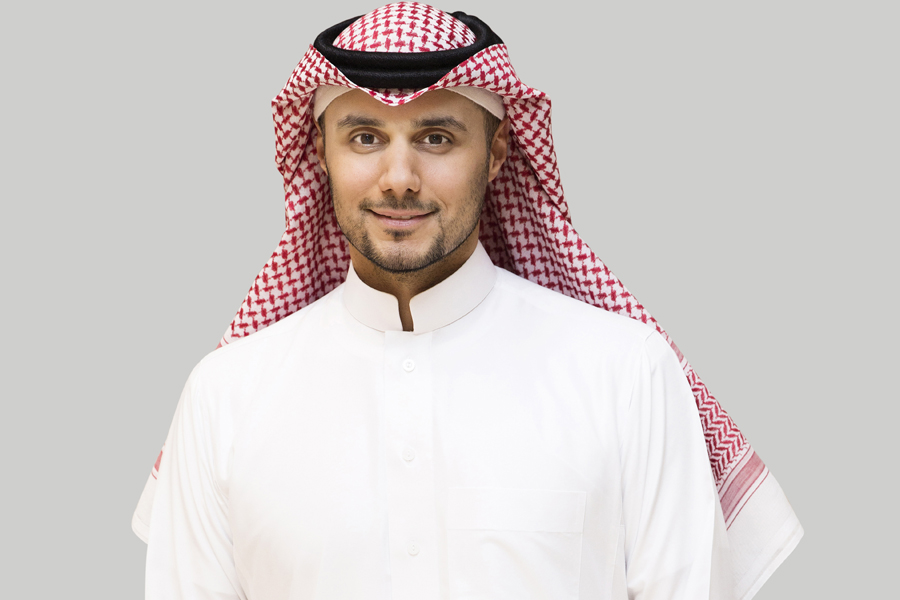
The Man Behind the Name
I see Khaled Bin Alwaleed Al Saud as a rare figure in modern Saudi public life: a royal who moved beyond inherited prestige and built a brand around ideas, discipline, and purpose. He is known not only because of his family name, but because he turned that name into a platform for investing, advocacy, and public influence. His life reads like a bridge between two worlds. On one side stands tradition, lineage, and royal heritage. On the other stands venture capital, food technology, clean living, and the language of modern impact.
He was born in 1978 in Stanford, California, and raised in Riyadh. That detail matters to me because it explains the dual shape of his identity. He is rooted in Saudi society, yet his outlook was widened early by exposure to the United States. He later studied business at the University of New Haven and began his career at Citigroup. That early finance background gave him a practical lens. He did not just inherit the idea of money. He learned how it moves, how it grows, and how it can be used.
What makes his public image compelling is the contrast. He once lived amid luxury, yet he later became known for restraint, plant-based living, and environmental focus. The arc feels almost cinematic. A gilded carriage slowly turning into a bicycle, then into a vehicle for change.
Family Roots and Royal Lineage
One of the region’s most prominent families, Khaled Bin Alwaleed Al Saud’s family relationships shape his public persona. Al Waleed Bin Talal Al Saud, a wealthy Saudi investor and businessman, is his father. His mother was King Saud’s daughter Dalal bint Saud Al Saud. Khaled is intimately related to the Saudi royal family through her.
He has sister Reem bint Alwaleed Al Saud. She is from the same public family and appears in philanthropic and royal contexts. That Khaled has siblings shows that he is not alone. His family operates in public through business, philanthropy, or state influence.
He married Munira bint Ibrahim Al Assaf. He married into another important Saudi family, since Ibrahim Al Assaf has held major economic and political roles. This kind of link boosts public visibility without explanation. Saudi household architecture is often building, not ornamentation. It affects a person’s position, audience, and work.
Children Jana and Maya bint Khaled are also mentioned in public records, but family specifics vary. I handle those references cautiously, but they’re part of his life. Whether looking at parenthood, marriage, or genealogy, Khaled’s family is important. It frames the portrait.
Grandparents situate him deeper in the Saudi royal trees. He is related to a regional royal and political legacy through his father, Prince Talal bin Abdulaziz Al Saud and Princess Mona El Solh. His maternal line is centered on King Saud. Khaled straddles wealth, power, and dynasty. Many would consider that a stronghold. It appears to be his launchpad.
Career Path and Investment Identity
I find Khaled’s career especially interesting because it does not follow the usual script of a royal businessman. He did not simply sit atop inherited assets. He created a venture capital identity through KBW Ventures, founded in 2014. That firm became his main vehicle for investing in sectors that look like the future already in motion: fintech, agtech, food technology, biotech, transport tech, entertainment, and energy-related innovation.
He also serves as co-founder and executive vice chairman of Arada, which expanded his profile beyond investing into real estate and large-scale development. This combination tells me something important. Khaled is not interested in a single lane. He seems drawn to systems. Money, food, cities, health, sustainability, and mobility all connect in his mind like pieces of a larger machine.
One of the most distinctive parts of his public career is his investment focus on food innovation. He has backed plant-based and cultivated-food ventures and spoken repeatedly about healthier living, sustainability, and the future of food. I see this as more than trend-following. It feels ideological. He treats food as policy, business, and ethics all at once.
His public role also reaches into sports, health, and philanthropy. He has been linked to the Saudi Sports for All Federation and to humanitarian and animal-welfare initiatives. That gives his career a wider texture. He is not simply a financier hunting returns. He is trying to shape behavior, infrastructure, and cultural norms. In his world, capital is a lever and not just a ledger.
Financial Profile and Work Achievements
Khaled Bin Alwaleed Al Saud is publicly associated with a high-profile financial ecosystem rather than a single net worth figure. That distinction matters. His wealth and influence are not just personal. They are distributed across ventures, partnerships, and institutional roles. KBW Ventures, Arada, and related holdings define much of his business footprint.
His achievements include recognition as a technology investor, along with a reputation for being ahead of the curve on plant-based food and sustainability. I think that recognition came because he invested before these themes became fashionable in the region. He was not late to the parade. He helped organize it.
He has also been visible in broader Middle Eastern development conversations. Whether discussing AI in health monitoring, marathon culture, or social fitness programs, he tends to speak as someone who believes that modern life can be engineered toward healthier outcomes. That is a powerful brand in itself. He projects the image of a royal entrepreneur with a reformer’s instinct and an investor’s patience.
Personal Identity and Lifestyle
Khaled’s lifestyle and investments make him memorable. He became famous for going vegan and talking about it. That change sharpened his public image. It showed discipline, commitment, and a willingness to go against expectations. He sent a different message in a society of abundance. He lowered the volume.
I find that option symbolic. His life changed from abundance to purpose. This is unique and why people remember him. A financier with campaigner impulses, a prince with advocate tone, and an heir who acts like a builder rather than a beneficiary.
Publicly, he cares about animals, health, and the environment. Some themes are hobbies. They pattern. He seems to think prosperity should be judged by stewardship and expansion.
Family Members in Focus
Al Waleed Bin Talal Al Saud
I view Al Waleed Bin Talal as the towering father figure in Khaled’s life. He represents capital, ambition, and global reach. As Khaled’s father, he provides the most visible link to the family business and to the culture of large-scale investment. Their relationship gives Khaled both inheritance and comparison. That is a heavy thing to carry, but also a powerful one.
Dalal bint Saud Al Saud
Dalal bint Saud Al Saud gives Khaled his direct link to the Saudi royal line through King Saud. She matters not just genealogically, but symbolically. Through her, Khaled carries both paternal wealth and maternal royal legitimacy. She is a central figure in the family story even when she is not in the foreground of business headlines.
Reem bint Alwaleed Al Saud
Reem is Khaled’s sister and part of the public family network that circles philanthropy, society, and royal visibility. Her presence in the story reminds me that family identity in this case is shared, not solitary. The siblings exist in parallel, each carrying a piece of the same legacy.
Munira bint Ibrahim Al Assaf
Munira is Khaled’s spouse and a key personal anchor in his life. Her family background connects him to another important Saudi public lineage. In stories like this, marriage is not just a private matter. It is part of the social map. It shapes alliances, family continuity, and public perception.
Jana bint Khaled and Maya bint Khaled
These names appear in public family references as possible daughters. I include them carefully because family information around royal figures is sometimes partial or inconsistently recorded. Still, they are part of the broader personal story associated with Khaled, and their presence highlights the family dimension of his life beyond business and visibility.
FAQ
Who is Khaled Bin Alwaleed Al Saud?
He is a Saudi royal, investor, and venture capitalist known for KBW Ventures, Arada, and his public focus on sustainability, health, and plant-based living.
What is he best known for?
I would say he is best known for combining royal lineage with modern impact investing, especially in food technology, clean living, and innovation-driven ventures.
Who are his immediate family members?
His father is Al Waleed Bin Talal Al Saud, his mother was Dalal bint Saud Al Saud, his sister is Reem bint Alwaleed Al Saud, and his spouse is Munira bint Ibrahim Al Assaf.
What kind of business does he run?
He is associated with venture capital, real estate, and impact-oriented investing through KBW Ventures and Arada.
Why do people pay attention to him?
Because he represents a blend of heritage and modernity. He is a royal who speaks the language of startups, sustainability, and social change.